Projects
Promoting Biodiversity Conservation through Sustainable Agriculture: Coffee Farming
Chyamrungbesi, Bethanchowk Rural Municipality, Kavrepalanchok
ARANYA is working with local communities to connect biodiversity conservation with livelihoods, using coffee farming as a way to encourage sustainable land use and diversify rural income.
Training
2 days
Dates
1–2 Nov 2026
Participants
About 60 farmers
Facilitators
2 horticulture experts
Project Overview
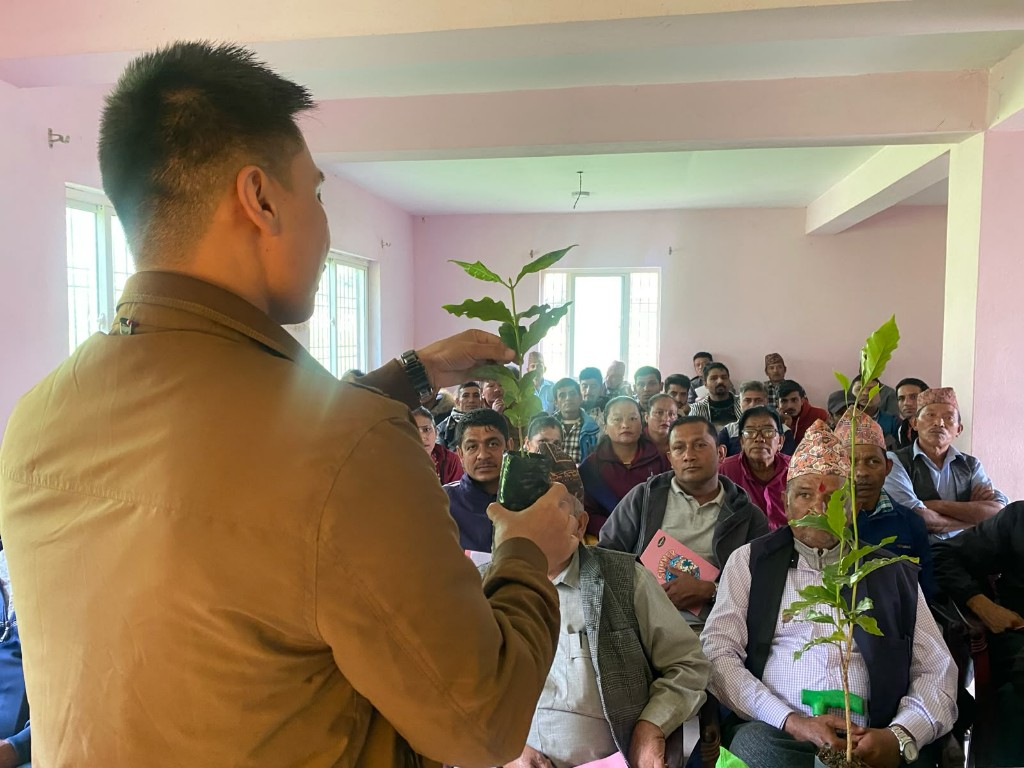
ARANYA Initiatives is working with local communities in Chyamrungbesi, Bethanchowk Rural Municipality, Kavrepalanchok, to promote biodiversity conservation through sustainable agricultural practices. The initiative recognises the importance of connecting environmental conservation with local livelihoods and creating economic opportunities for rural communities. Coffee farming offers an opportunity to encourage sustainable land use while supporting farmers in diversifying their sources of income.
Project highlights
Coffee farming training
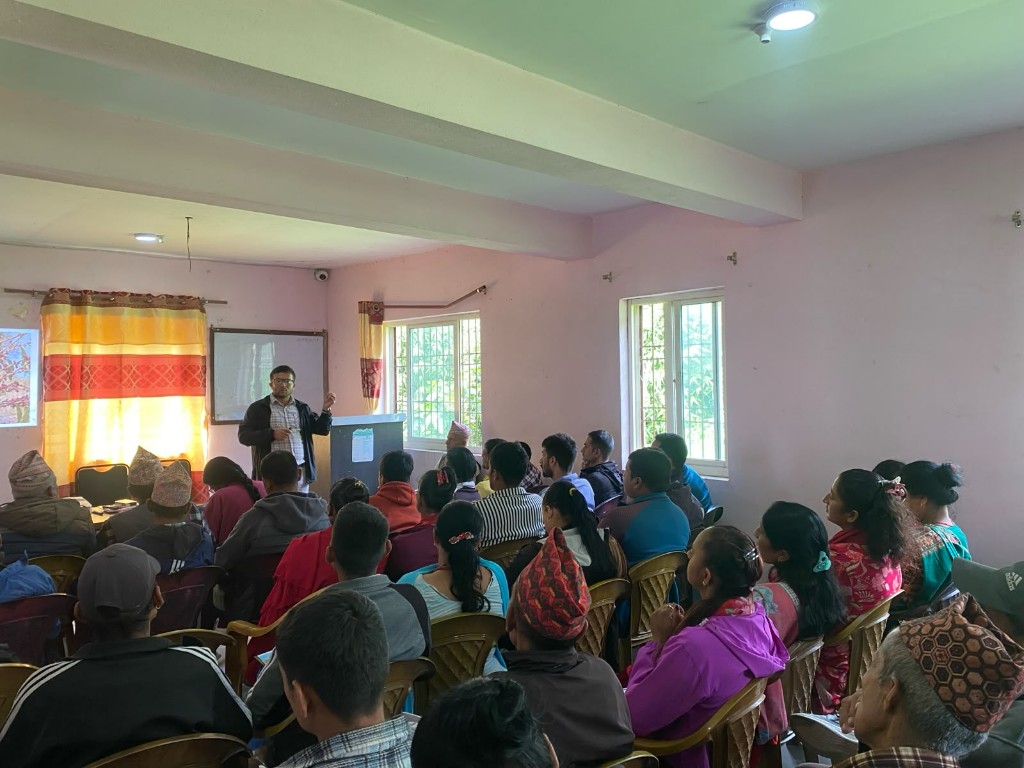
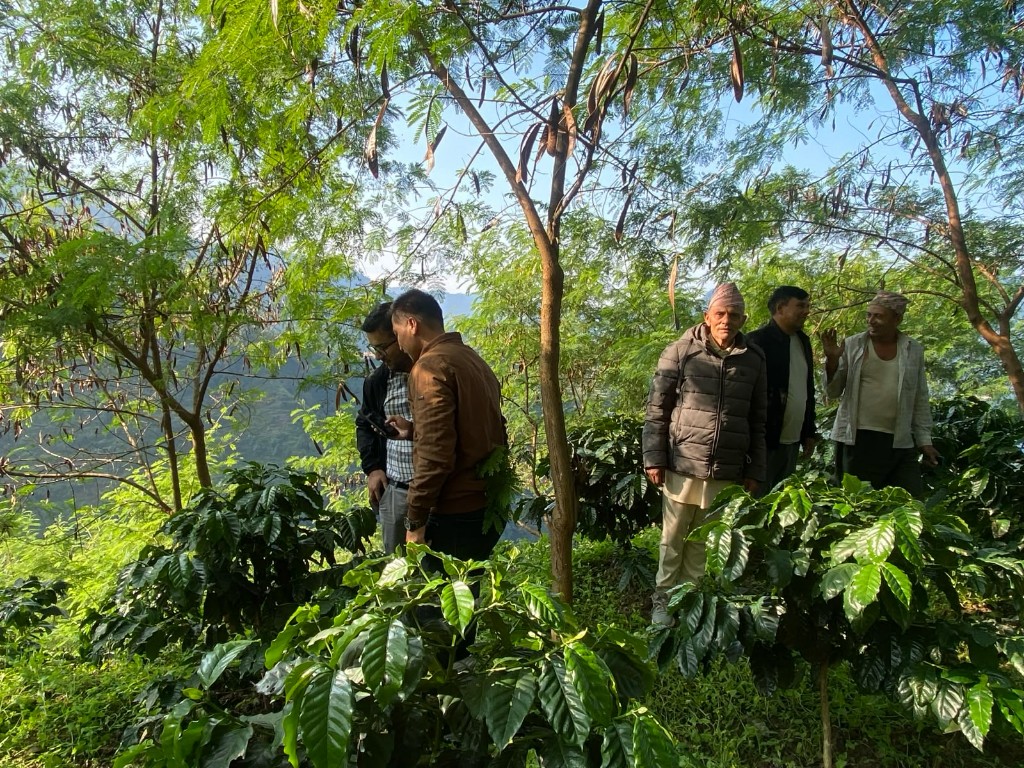
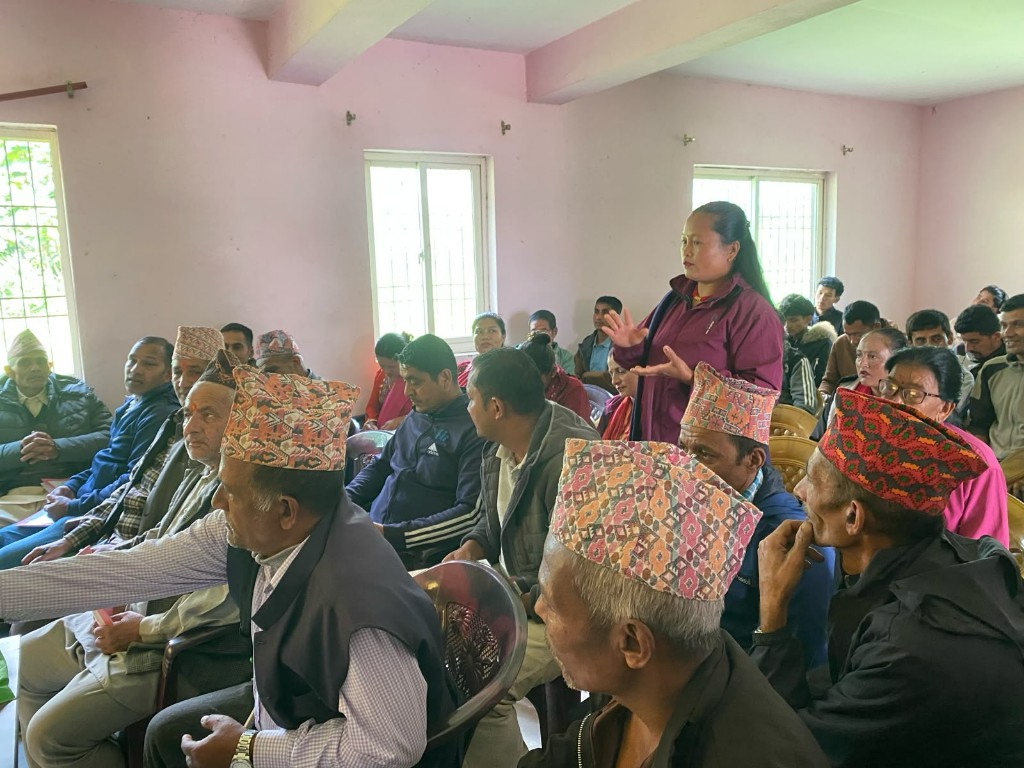
As part of this initiative, ARANYA organised a two-day coffee farming training programme on 1 and 2 November 2026. Around 60 local farmers, including both men and women, participated in the programme. Two horticulture experts facilitated the training, sharing technical knowledge on coffee cultivation, suitable growing conditions, plant spacing, soil preparation, and the prevention and management of common plant diseases.
Cultivation and growing conditions
Manure, fertiliser, and planting pits
Varieties, leaves, pests, and disease
From the classroom to the field
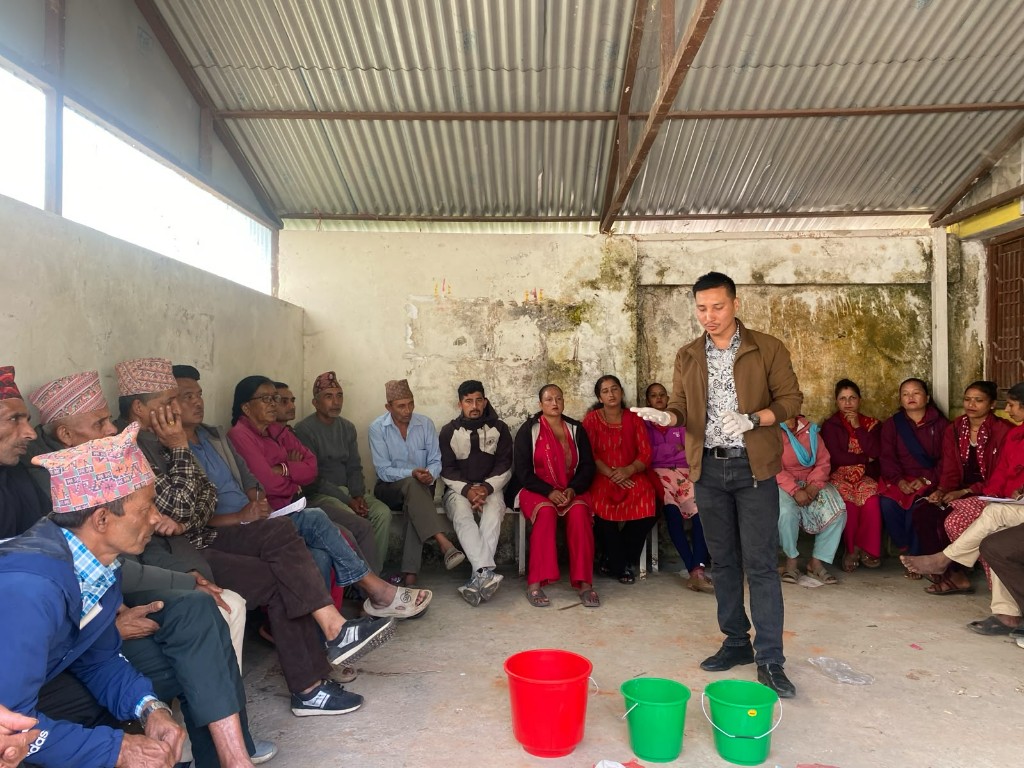
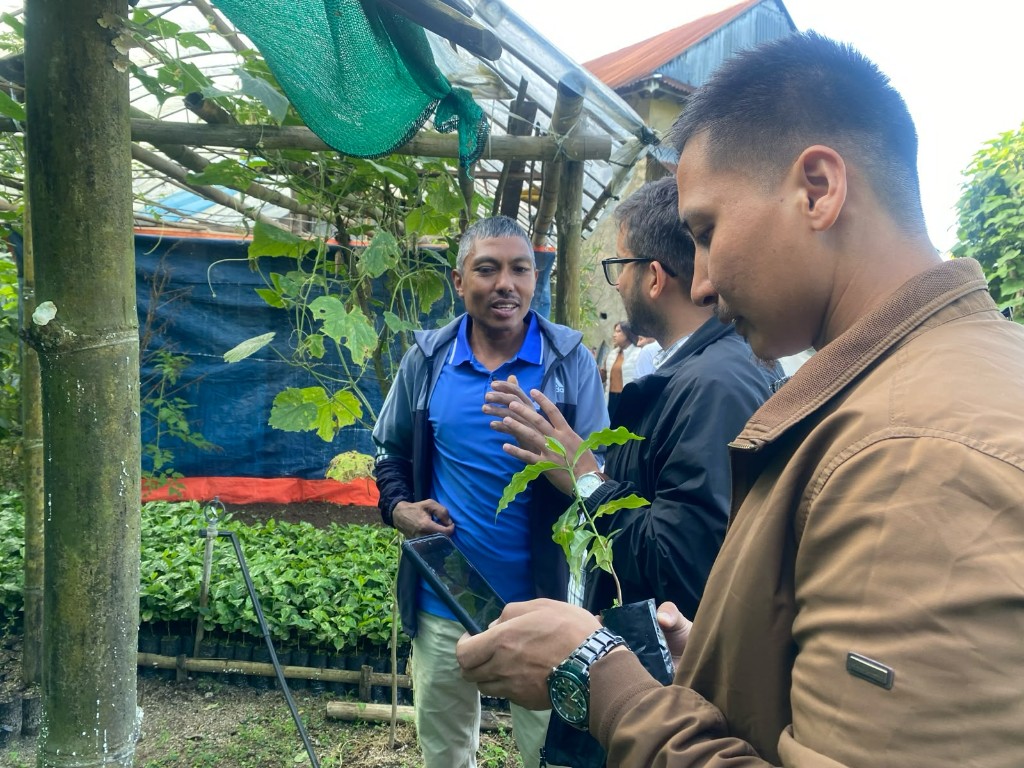
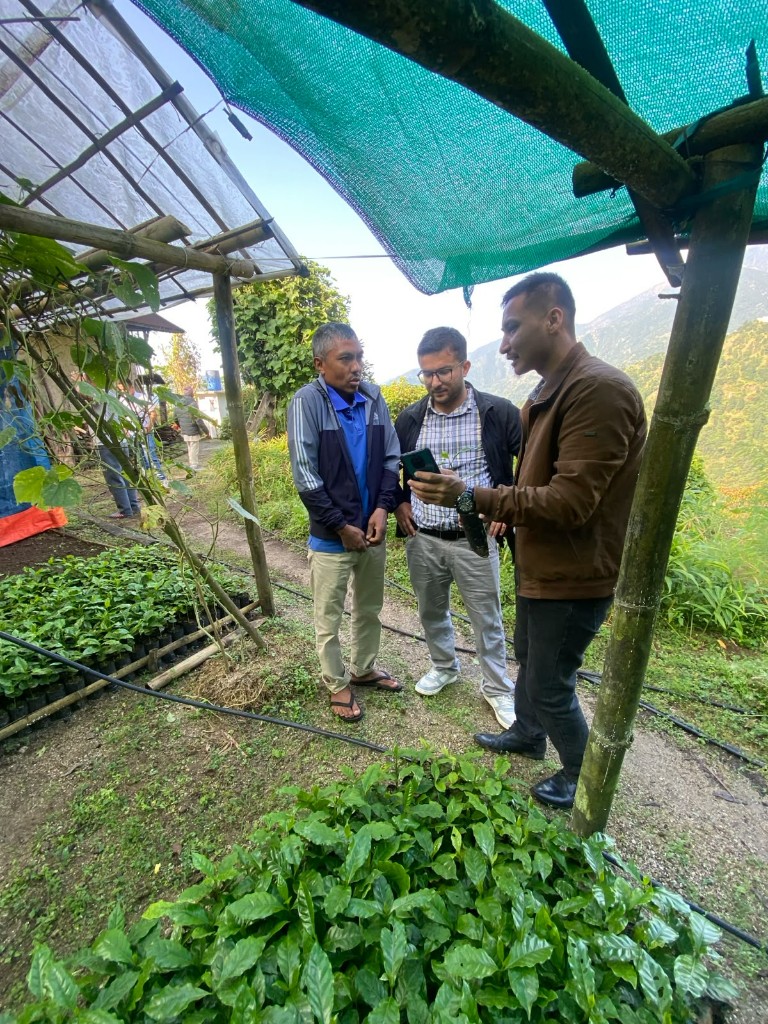
The training combined theoretical sessions with practical demonstrations. Farmers learned about the appropriate use of manure and fertilisers, preparation of planting pits, identification of coffee plant varieties and leaf conditions, and management of insects affecting coffee plants. The practical demonstration helped participants understand the preparation of planting mixtures and the techniques required for healthy coffee cultivation.
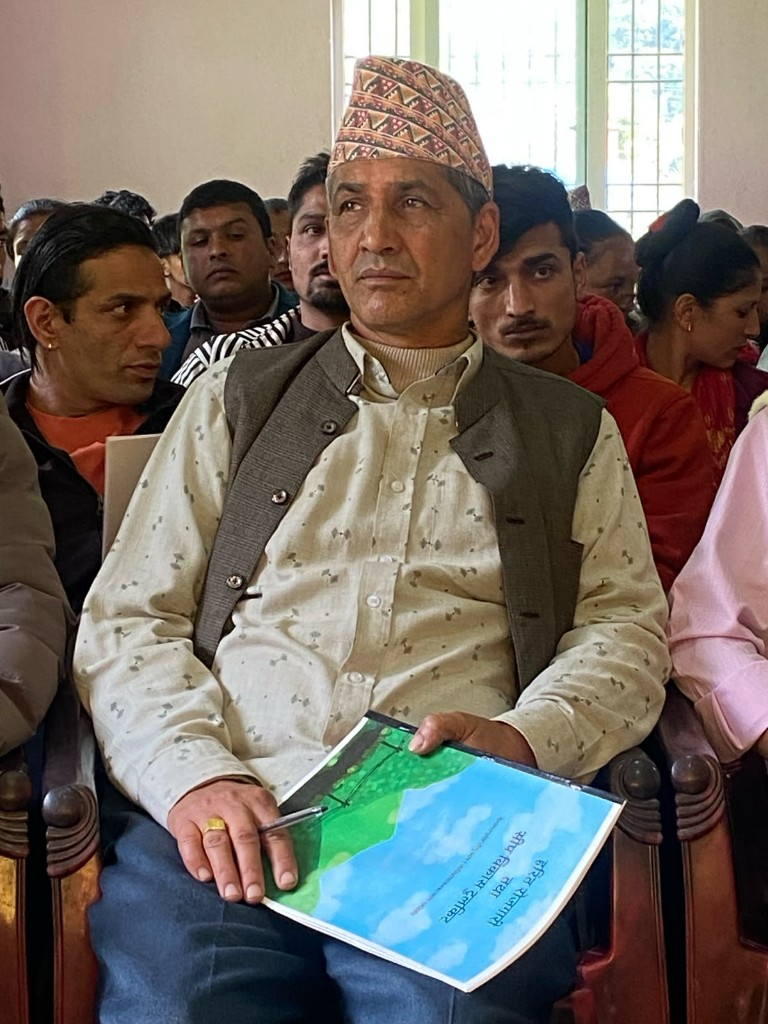
ARANYA also distributed its Green Reskilling Toolkit so farmers have additional learning resources after the training.
Livelihoods and next steps
Beyond technical training, the initiative aims to explore coffee farming as a sustainable livelihood opportunity for local communities. By improving agricultural knowledge and encouraging responsible farming practices, the programme seeks to support farmers in increasing productivity and developing opportunities for commercial coffee production.
Follow-up
ARANYA plans to distribute coffee seedlings to participating farmers, helping them put the knowledge gained during the training into practice.
Looking ahead
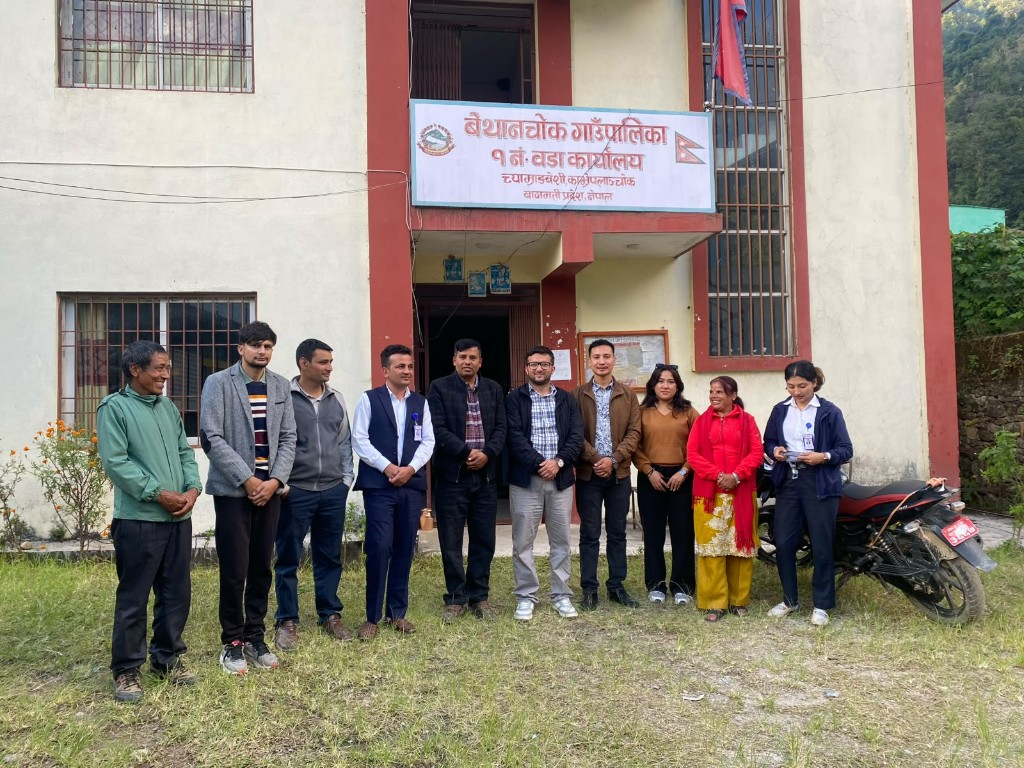
Through this initiative, ARANYA hopes to contribute to a future where biodiversity conservation and community prosperity go hand in hand. By supporting sustainable farming practices and strengthening local capacities, we aim to encourage agricultural approaches that benefit both people and the environment. Continued community engagement, access to agricultural resources, and follow-up support will be essential to making this effort a lasting contribution to local livelihoods and environmental sustainability.
See all 12 photos in the gallery